
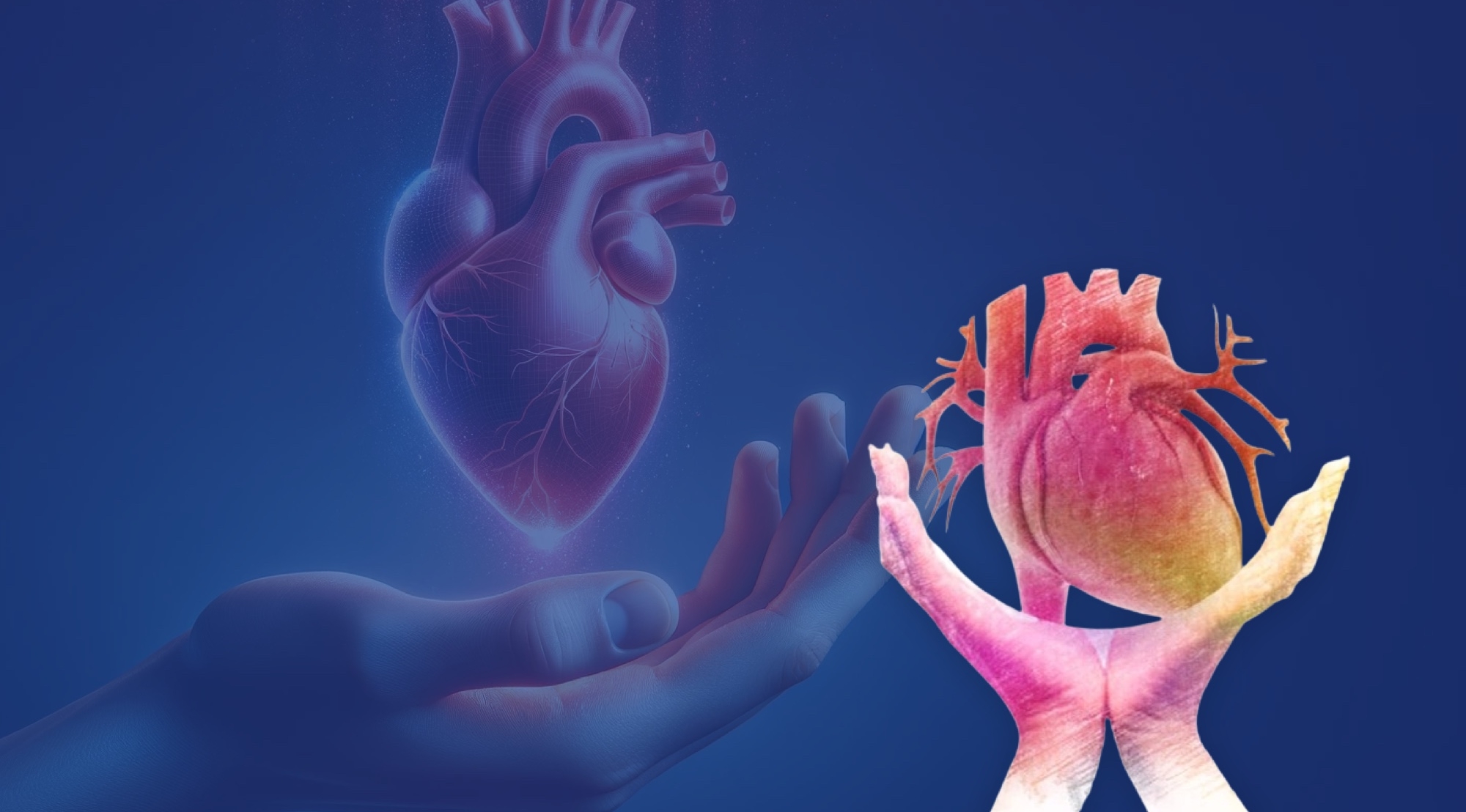
Enhanced External Counterpulsation (EECP)
Flow Therapy promotes the development of new blood vessels
What is EECP therapy?
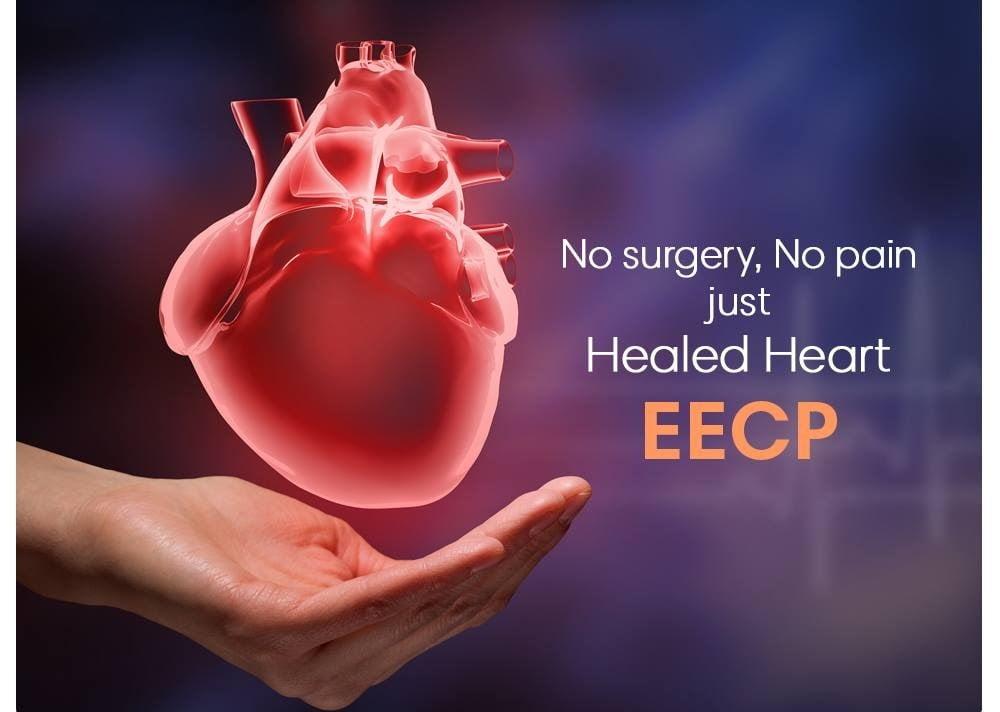
.png) Using blood pressure cuffs to help improve blood flow through the body, EECP Therapy promotes the development of new blood vessels to naturally bypass coronary blockages, restoring the flow of healthy, oxygenated blood to the heart. As a result, EECP Therapy reduces symptoms of heart disease such as chest pain, fatigue, shortness of breath; increases energy and stamina; and returns cardiovascular patients to activities and a lifestyle previously thought not possible for people suffering from heart disease and other cardiovascular issues.
Using blood pressure cuffs to help improve blood flow through the body, EECP Therapy promotes the development of new blood vessels to naturally bypass coronary blockages, restoring the flow of healthy, oxygenated blood to the heart. As a result, EECP Therapy reduces symptoms of heart disease such as chest pain, fatigue, shortness of breath; increases energy and stamina; and returns cardiovascular patients to activities and a lifestyle previously thought not possible for people suffering from heart disease and other cardiovascular issues.
EECP Therapy treatments are low risk, relaxing and provide significant improvement to virtually every patient that completes a full course of EECP Therapy.
What Happens During EECP Flow Therapy?
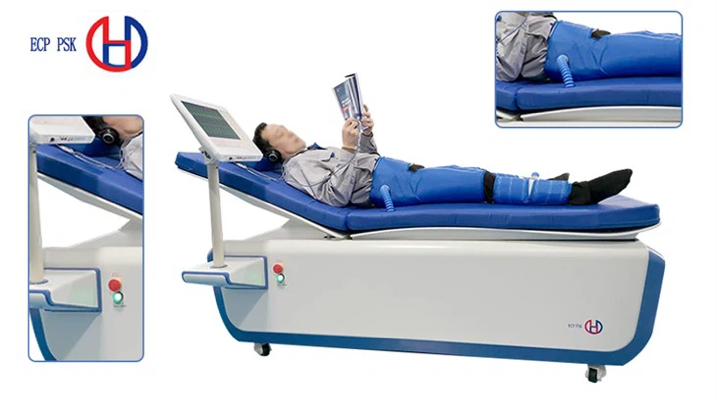
During EECP Flow Therapy, you relax or nap on a padded table while air fills the cuffs around your lower limbs. You'll feel the cuffs grow tighter around your legs and bottom until they reach full treatment pressure. While the heart is in its resting phase, these cuffs inflate sequentially from the calves toward the hips. Then, just before the heart beats, the cuffs all deflate. This pressure creates blood flow that is similar to exercise–fueling all areas of your cardiovascular system with essential oxygenated blood while you rest. You can return to your regular daily routine after treatment.
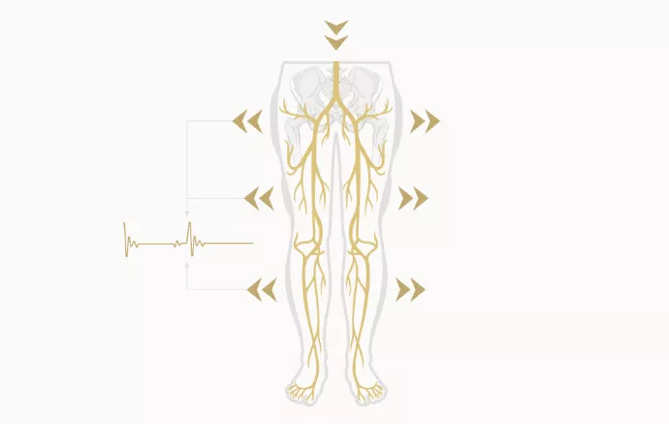
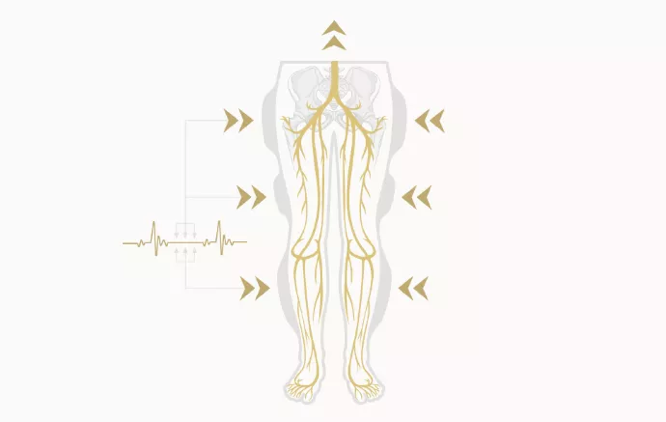
Sequential Inflation: When the heart is relaxed (diastole phase), the EECP cuffs inflate sequentially, squeezing from your calves toward your lower hips to create what’s known as a “retrograde aortic pressure wave.”
How long does EECP therapy last?
EECP therapy is an outpatient treatment. You usually have it for a total of 35 hours: one hour a day, five days a week, for seven weeks. You can also have it twice daily for three and a half weeks. You have a one-hour session, a break and then another session.
A Safe and Effective Treatment Option for Long COVID
EECP is a breakthrough, non-invasive therapy specifically tailored to address the lingering symptoms of long COVID. EECP is designed to offer relief from a spectrum of long COVID symptoms, such as fatigue, brain fog, shortness of breath, and chest discomfort, without the need for medication. These post-COVID conditions may also be known as long-haul COVID, post-acute COVID-19, long-term effects of COVID, or chronic COVID. EECP enhances blood flow, not just to the heart, but throughout the entire body, providing relief from the pervasive symptoms associated with long COVID.
- Chest pain symptoms improved in 97% of patients
- Fatigue improved in 88% of patients
- Walking distance improved in 83% of patients
- Breathing difficulty improved in 63% of patients
Traditional treatment paths often lead patients through a maze of specialists, resulting in a mix of various medications and potential side effects. In contrast, the approach with EECP is holistic and patient-centric. This therapy aims to improve quality of life by targeting the root causes of the symptoms in a gentle, yet effective way.
What does EECP Therapy do for athletes?
Enhanced external counter pulsation increases the circulation of oxygen-rich blood throughout your body. It, in turn, removes lactic acid and releases nitric oxide. As a result, world class athletes and numerous professional teams will often significantly perform better and their recovery time after a game is shorter in most cases. For people suffering from chest pain or shortness of breath 35- 1 hour sessions is the standard protocol and most people feel the improvements at about the 15th session.
 EECP therapy can give professional teams and athletes the upper hand over their opponents.
- Improves overall cardiovascular fitness
- Increases energy levels massively
- Reduces fatigue and reduces lactic acid
- Naturally enhance endurance and stamina
from the rigors of training - Decrease in recovery time between workouts
- Helps reduce risk of injury in athletes
- Cost-Effective
EECP Flow Therapy Isn’t Just for Angina
Virtually any condition in which poor blood
flow is a contributing factor may benefit from
non-invasive Flow Therapy, including:
- Diabetic neuropathy
- Peripheral vascular disease
- Congestive heart failure
- Erectile dysfunction
- Restless leg syndrome
- Parkinson’s disease
- High blood pressure
- Chronic fatigue
- Chest pain
- Shortness of breath (dyspnea)
Effective and Proven
Here are some key findings from extensive research into how the integration of EECP therapy can improve the patient quality of life, reduce long term treatment costs and re-hospitalization.
Clinical Effects of EECP
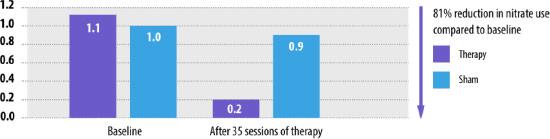
Nitrate use (4)
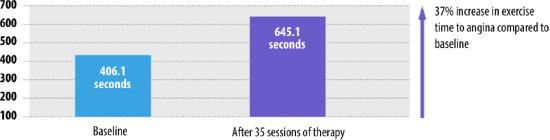
Improvement in time to angina during exercise (4)
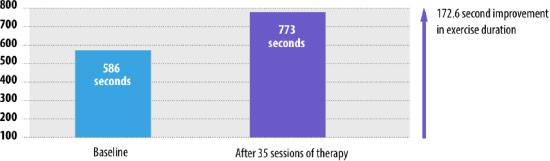
Improved exercise duration (4)
The benefits of therapy that last three or more years (1)
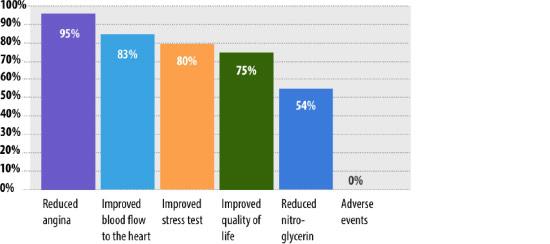
Additional benefits of ECP therapy:
- Sustained improvements at three years in quality of life scores
- The frequency of angina reduced by four episodes per week immediately post-therapy and this was sustained at the three year follow-up.
Long-term follow-up from the IEPR CCS classification (1)

- 1,061 patients from 36 centres completed a three year follow-up.
- 9% of patients improved by at least on CCS classification.
Impact on hospitalization
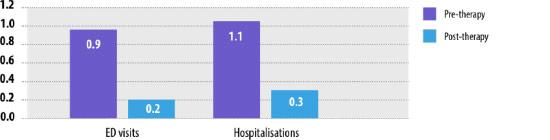
- ED visits and hospitalizations six-month follow-up (5) Significant reduction in rates of ED visits and hospitalization compared to six-month pre-treatment.
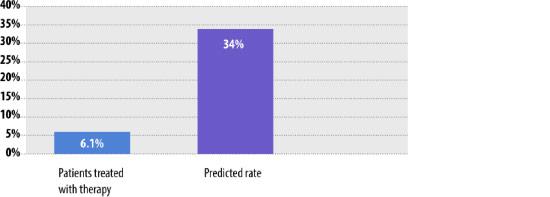
Impact of therapy on HF re-hospitalizations (6)
- Observed and predicted re-admissions rates for 90 days after discharge.
- Loh, et al. Enhanced External Counterpulsation in the Treatment of Chronic Refractory Angina: A Long-term Follow-up Outcome from the International Enhanced External Counterpulsation Patient Registry. Clin Cardiol. 2008;31:159-164. 2.Shea M, et al. An Update on Enhanced External Counterpulsation. Clin Cardiol. 2005;28,115–118. 3. Lloyd-Jones D, et al. Heart disease and stroke statistics—2010 update: a report from the American Heart Association. Circulation. 2010;121:e46–215. 4. Braith RW, et al. Enhanced external counterpulsation improves peripheral artery flow-mediated dilation in patients with chronic angina: a randomized sham-controlled study. Circulation. 2010;122:1612-20. 5. Soran O, et al. Impact of external counterpulsation treatment on emergency department visits and hospitalizations in refractory angina patients with left ventricular dysfunction. Congest Heart Fail. 2007;13:36-40. 6. Tecson K, et al. Impact of Enhanced External Counterpulsation on Heart Failure Rehospitalization in Patients with Ischemic Cardiomyopathy. Am J Cardiol. 2016;117:901-905.
